

Prompts for 27 February 2026 from Scoot
Write about a historical artifact
wondrously uninteresting
“it belongs in a museum” (h/t Leanne Shawler)
A character who is an academic
Sharon preferred quiet days in the library. The slightly musty smell of antique books in an old building, dust motes floating through single-paned light, comforted her in a wondrously uninteresting way. It was a familiar cardigan, shielding her from the advances of cold technology and a world gone mad. She never once regretted her PhD in library science. She pushed up her glasses and returned to her work, cataloging the most recent arrivals, feeling content in her quiet world.
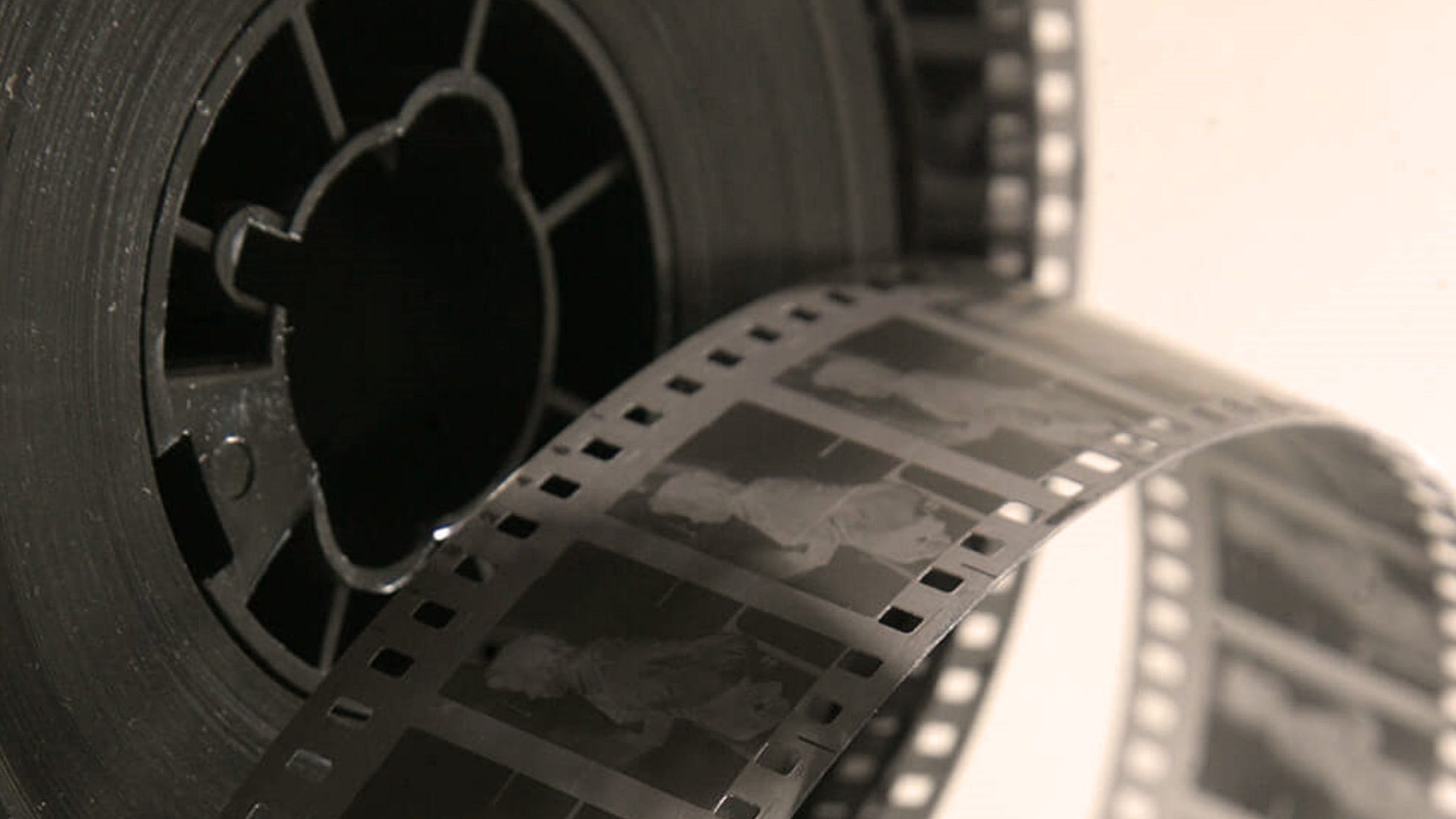
She knew James was watching her with his little hand-held moving picture camera, but she was adept at ignoring him. Best friends since childhood, she and James moved through each other’s lives with practiced ease—aware, but never fully engaged. James flitted from hobby to hobby; this current fascination with film would pass and the camera would eventually find its way to a steel box in the library basement, carefully sealed and labeled. It was simply a matter of time.
By the time the bombs fell, James had cycled through a series of hobbies after his experiments in film. Photography turned to oils and then watercolors. James left off trying to capture time and turned to observing time through gardening. Sharon shook her head at his shifts from one thing to the next. She liked the solidity of books. They recorded time and kept it for generations without change. Usually.
It was raining when the library disintegrated into dust. Books, tables, notes, and people rose into a cloud, turned to mud, and hardened into clay. Over time, the clay turned to stone firm enough to serve as a foundation for a new city, built on the remains of what had come before. The city itself waxed and waned, falling into disrepair and eventually returning to the dust from which it had sprung.
The cycle continued for hundreds, or maybe thousands of years. No one knew for certain.
It was an exuberant group of young archaeologists on a summer internship who uncovered the library basement. For decades the site had been carefully dismantled and studied as scholars strove to understand those who had come before. Like all scholars of antiquity, they wanted to connect their present culture to something important from the past.
Previous students dug to the level of the stone and stopped, assuming that it was the first foundation of the city and therefore disappointing. This summer’s group, however, wanted to break through the stone on the slim chance there might be more. On the third day of the fifth week, they did it. The stone layer finally gave way to softer clay underneath. Analysis of the clay showed mixed elements that included traces of human DNA in tiny fragments of what must have been bone.
On the first day of the seventh week, one student broke through to an underground space. It would be more accurate to say he fell into a hole and discovered a vast cave containing neatly stacked, labeled boxes made of some ancient material that had withstood the bombing and the centuries that followed. His shout brought the rest of the team down. They sketched and annotated their observations for their professor, who raced to the dig site to see for herself.
Carefully, they extracted the boxes to the surface. The students, in their excitement, opened one at random before the professor could stop them. Inside was a roll of film, still attached to the reel.
“This belongs in a museum,” one student noted as he unraveled it.
Another added, “We need to get this to the lab before something happens.”
But it was too late. Exposure to the air caused the fragile film to crumble into dust. A gust of wind picked it up and blew it away. Time recorded and preserved. Forever lost.



So much of history is dust and isn't coming back. It's a shame, really. I enjoyed this thoughtful story. It reminded me to back up my work. Hehe. Nice work, Stephanie.